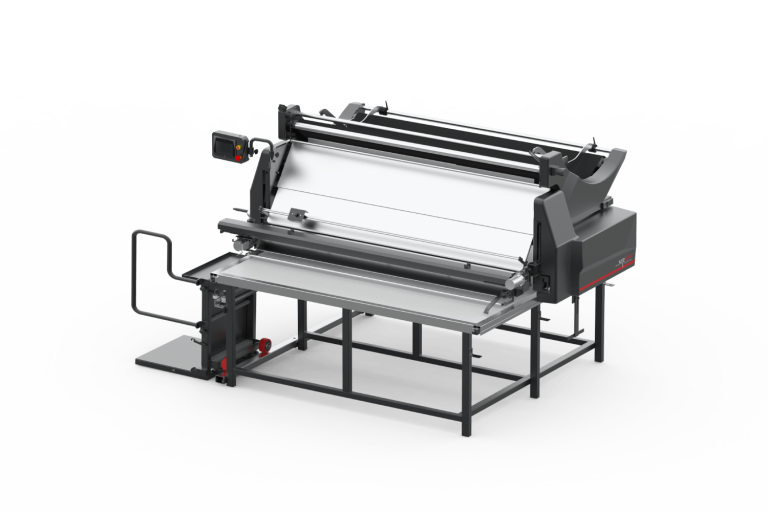
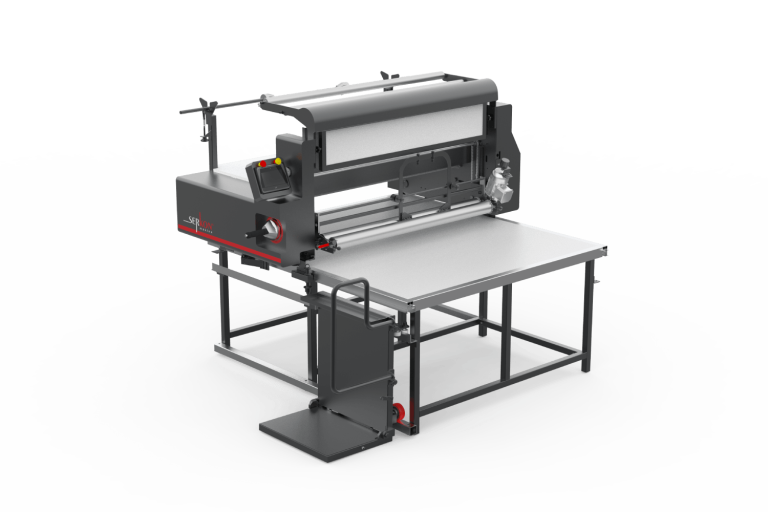
When choosing a fabric spreading machine, five things matter: the fabric type you work with, the spreading width and speed you need, the tension control applied to the fabric, compatibility with your cutting line and the total return on investment. The wrong choice costs you every day — in fabric waste, dimensional drift and production bottlenecks.
What Is a Fabric Spreading Machine and What Does It Do?
A fabric spreading machine lays rolled fabric onto the spreading table in even layers called a lay before cutting. Spreading quality is the precondition for cutting quality: if the plies are not laid evenly and with controlled tension, even the most precise cutter cannot produce parts to size.
Modern automatic spreaders align the fabric edge, run at adjustable speed and lay the fabric without stretching it — cutting labour while guaranteeing that every ply is the same size.
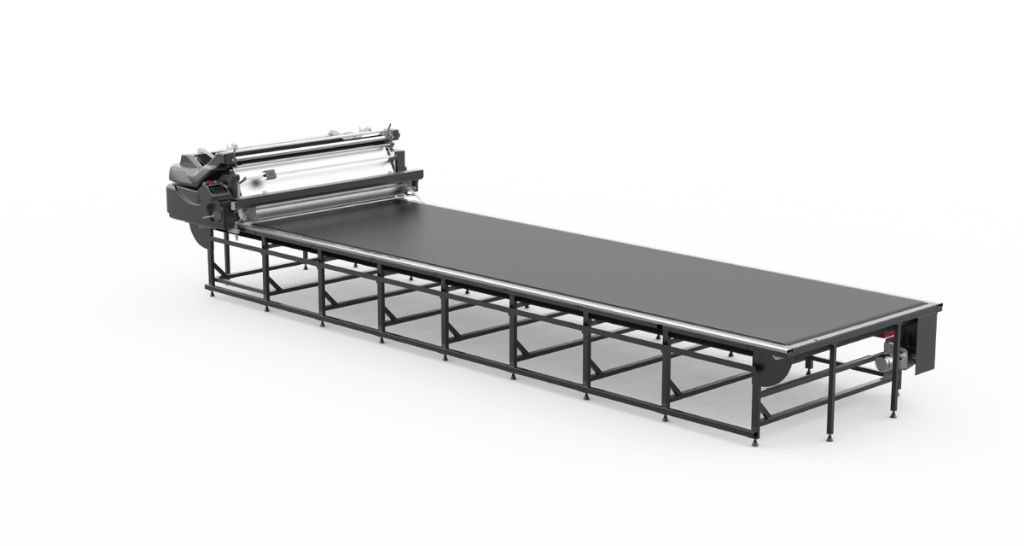
3 Questions to Answer Before You Choose
Which fabrics do you spread?
Knitted, woven, denim, home textile and tubular fabrics all behave differently on the table.
What is your daily volume?
Metres spread per shift determines how much speed and automation you need.
What does your line run on?
A spreader is one part of a system that includes the table, the cutter and the handling equipment.
10 Critical Selection Criteria
Fabric compatibility
This is the most critical criterion. Elastane and stretch fabrics need tension-free spreading; denim needs strong handling and edge control; home textiles need wide width; tubular knits need feeding suited to roll winding. Choose the machine family according to your main fabric group.
Spreading width
The working width of both machine and table must cover your widest fabric. Too narrow limits your fabric range; unnecessarily wide raises investment and floor-space cost.
Spreading speed
Maximum speed on its own is misleading: real throughput has to be judged together with roll-change time, edge-alignment accuracy and the stability of uninterrupted running.
Tension control
If fabric is spread under tension it “pulls back” after cutting and parts fall out of size. On elastane and stretch fabrics, zero-tension spreading directly reduces dimensional deviation and waste. Ask for a spreading test with your own fabric before you buy.
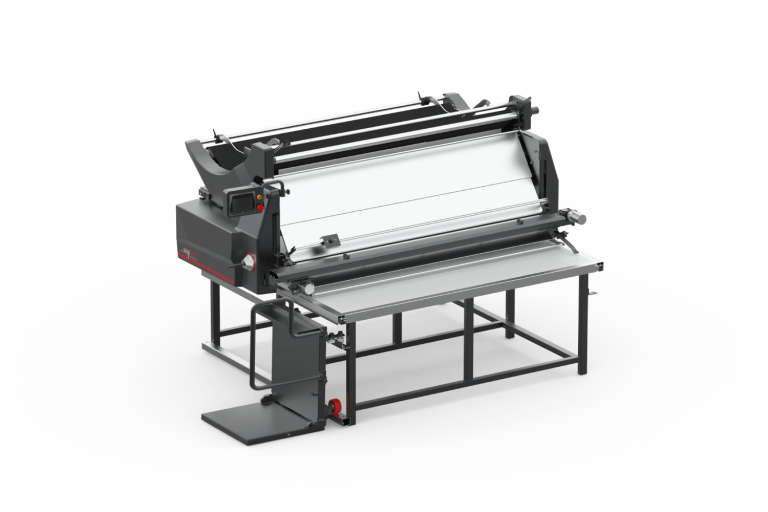
Ply count and lay capacity
How many plies you run determines the capacity of the handling and feeding system. With heavy multi-ply lays, the machine’s stability under continuous load has to be planned together with the table.
Operator requirement and ergonomics
Modern automatic spreaders can run with a single operator. The operator platform, panel layout and ease of roll loading affect speed and safety together. With heavy rolls, roll lifting systems reduce the operator’s load considerably.
Integration with the cutting line
A spreading machine is part of a cutting room system: width matching with the table, lay transfer to the cutter (a conveyor table, for example) and line layout all have to be planned together. Otherwise an inefficient handling step sits between two efficient machines. We explain how the cutting side works, step by step, in our article How Does an Automatic Fabric Cutting Machine (CNC Cutter) Work?.
The supporting equipment ecosystem
Spreading quality does not come from the spreader alone. Equipment from one manufacturer, designed to work together, keeps installation and service in one pair of hands:
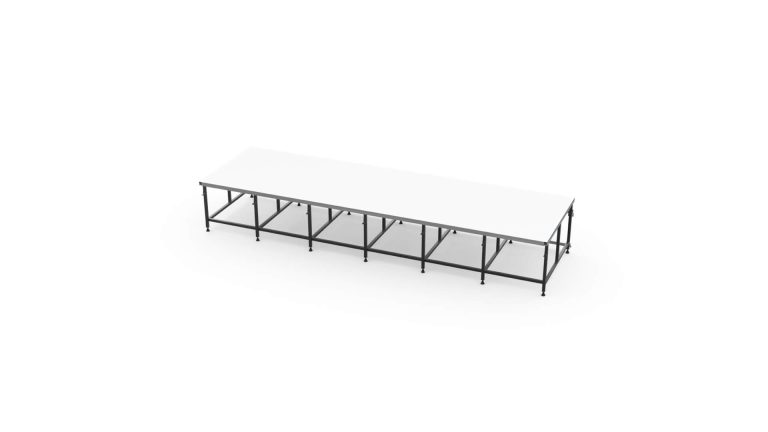
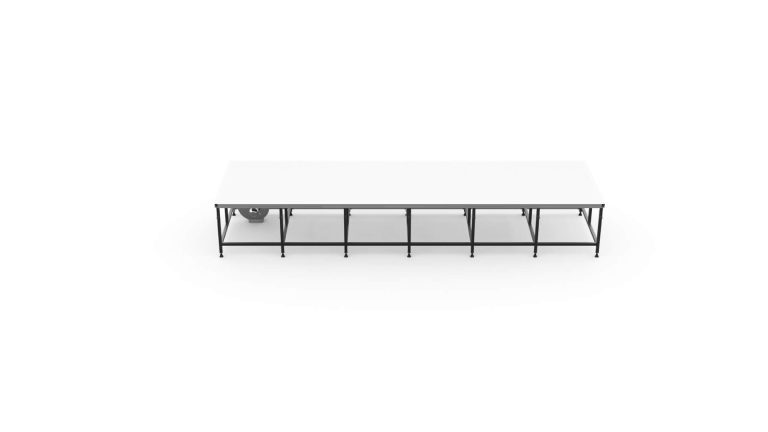 Spreading Tables
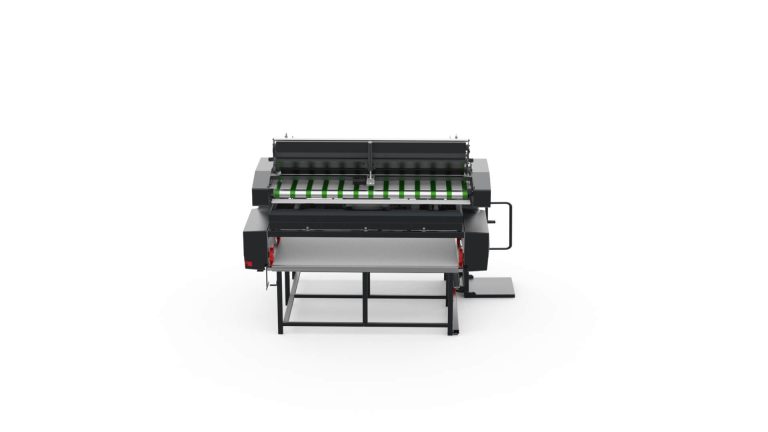 Turntables
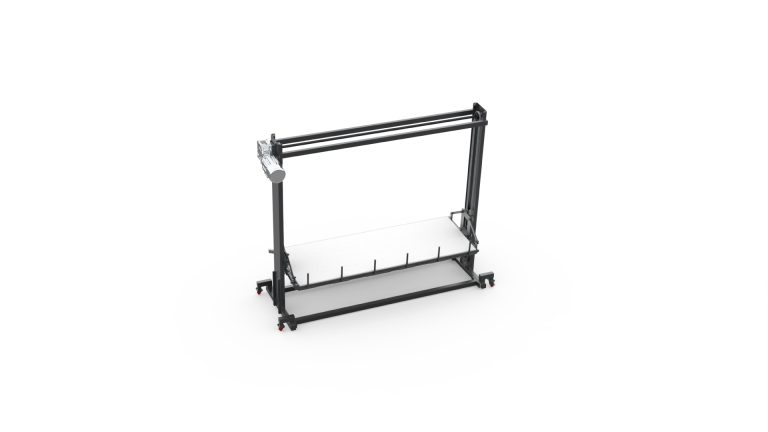 Roll Lifting
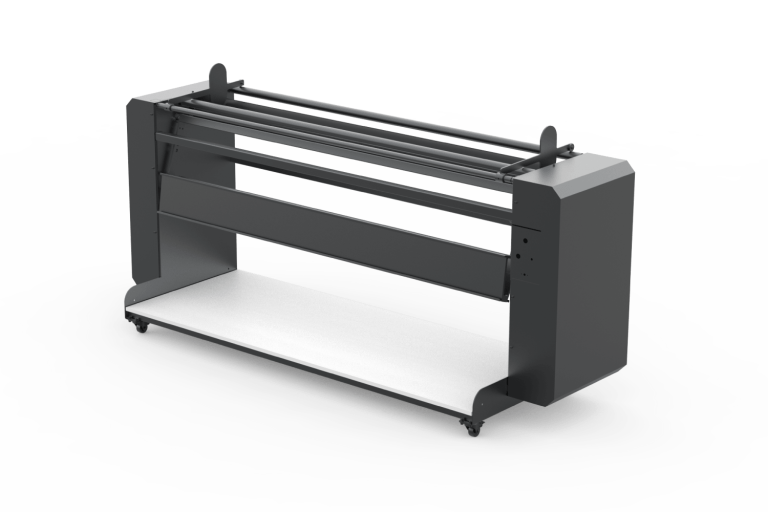 Fabric Shaking
Service, spare parts and in-house manufacturing
A spreader runs around the clock; downtime is expensive. A supplier that manufactures in Turkey means fast service, spare-part availability and engineering support tailored to your needs. Ask about the manufacturer’s R&D and production facilities.
Total cost of ownership and ROI
The right calculation is not the purchase price but the total cost of ownership: energy, maintenance, spare parts, operator headcount and — most importantly — the fabric saved through lower waste. Even a few points less spreading-related waste pays the investment back surprisingly fast.
- Looking only at speed — if alignment and tension quality are poor, speed just means producing a faulty lay faster.
- Leaving the table and handling out of the plan — machine, table and transfer are one system.
- Not testing with your own fabric — the decision should rest on a spreading test with your fabric.
Let’s Find the Right Spreading Solution for Your Production
Tell us your fabric type and production volume and we will provide a free assessment and quotation for the right spreading machine and table combination.